Sales: (877) 243-8313
Service & parts: (450) 372-4242

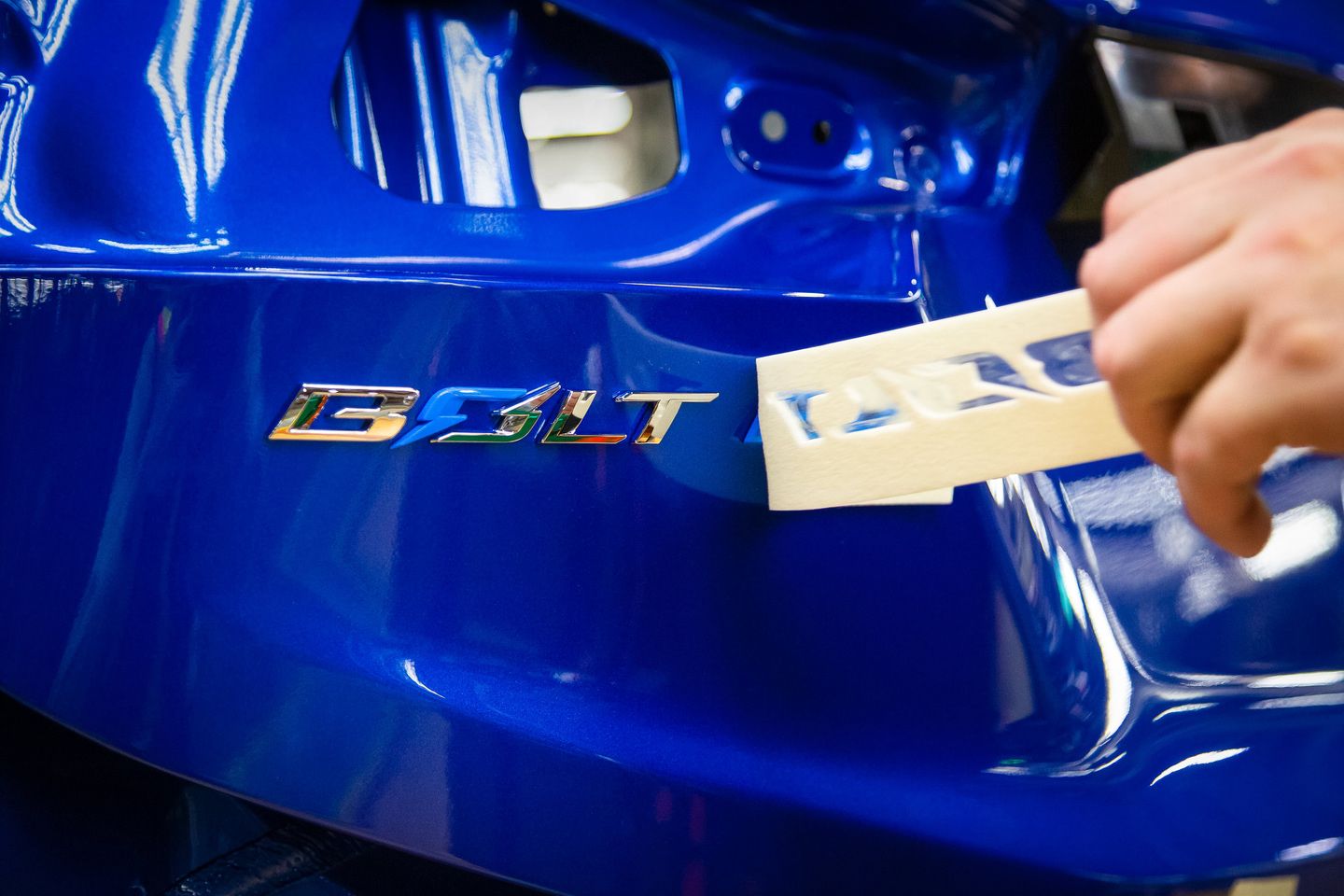
Production of the Chevrolet Bolt EV, along with the Bolt EUV SUV variant, ended a little over a year ago. Initially, there was not expected to be a successor because the model was built on General Motors’ (GM) previous-generation EV architecture. GM was ready to move on. However, public enthusiasm for the model changed those plans, and the Bolt will have a successor.
More specifically, the SUV version is the one expected to continue. It was anticipated toward the end of the year as a 2026 model. Because the vehicle was expected to slot below the Equinox EV and offer attractive pricing, it was worth keeping track of what GM was planning for this potentially important model.
Here are the seven features that were expected to define the next Chevrolet Bolt EUV.
The model was expected to use LFP (lithium iron phosphate) battery cells. This would represent an important change because iron-based cells are less expensive, tend to last longer and can better tolerate temperature fluctuations than traditional lithium-ion batteries, despite having lower energy density.
The new model was therefore expected to be offered at an affordable price, addressing strong consumer demand. Pricing still needed to be confirmed, but GM wanted to offer the vehicle for less than US$30,000 in the United States. The article suggested that a base version priced below $40,000 could be possible.
Range was still expected to exceed 400 kilometres, attributed in the article to the Ultium platform. The model was also expected to offer improved charging times, with roughly 160 kilometres of range recoverable in 30 minutes at a DC fast-charging station.
The Bolt EUV was expected to come equipped from the outset with Tesla’s NACS (North American Charging Standard) charging port, providing access to Tesla’s charging network and approximately 18,000 charging stations across North America.
To improve cold-weather efficiency, a heat pump was expected to be included, something the outgoing model did not offer. The article expected the 2026 Bolt EUV to use technology similar to that found in the electric Equinox and Blazer.
The interior was expected to have a presentation similar to the Equinox EV, including GM’s newer infotainment system based on Google’s Android platform.
Production was expected to take place at GM’s Fairfax plant in Kansas. The facility was undergoing work to prepare for the model, and the article anticipated that assembly of the first vehicles could begin within the following months, allowing the new Bolt EUV to be revealed before the end of the year.